Finding Relief: Why Some People Turn to CBD for Migraines
Living with migraine headaches is a cycle of dread and disruption. I have watched a close friend spend days in a dark room, unable to hold down water, let alone function at work. Over the years, she has tried everything from prescription triptans to ice packs and acupuncture. Nothing ever stuck. Then she started experimenting with CBD oil, and for the first time in a decade, the frequency of her attacks dropped. That personal experience is what first got me curious about the real science behind using cbd for migraines.
What I found is that the connection is not just anecdotal. There is a growing body of research and a lot of practical wisdom from people who have been using these products for years. But it is also a space filled with hype, and not every product delivers. So let me walk through what actually matters if you are considering this route, and what the trade-offs look like.
The Endocannabinoid System and Migraine Biology
To understand why CBD might help with migraine headaches, you have to look at the endocannabinoid system. This is a network of receptors and neurotransmitters that helps regulate pain, inflammation, mood, and sleep. Two of the most studied receptors are CB1 receptors, which are found in high concentrations in the brain and central nervous system. When these receptors are activated, they can reduce the release of pain signals and calm overactive nerve pathways.
In people who suffer from migraines, research suggests that the endocannabinoid system may be out of balance. Some studies have found lower levels of endocannabinoids in the blood of chronic migraine patients. CBD interacts with this system indirectly. Unlike THC, it does not bind strongly to CB1 receptors, but it does inhibit the breakdown of the body's own endocannabinoids, effectively raising their levels. It also influences serotonin receptors, which are directly tied to migraine mechanisms. Serotonin levels drop right before a migraine attack, and many rescue medications work by mimicking serotonin. CBD offers a gentler way to support that same pathway.

Inflammation and Anxiety: The Two Fronts
Migraine headaches are not just a pain event. They involve inflammation of the trigeminal nerve and the blood vessels in the brain. CBD is a well-documented anti-inflammatory compound. It reduces cytokine production and oxidative stress, which can calm the vascular sensitivity that triggers attacks. But for many people, the real benefit is on the anxiety side. The fear of the next migraine can be as debilitating as the migraine itself. That constant low-grade anxiety keeps the nervous system on edge, and a stressed system is more likely to tip into a headache.
Using cbd for migraines addresses both of these fronts at once. It does not stop every attack, but it can raise the threshold. My friend found that taking a few drops of full-spectrum CBD oil under her tongue each morning reduced her baseline anxiety enough that she stopped waking up with that knot in her stomach. Over time, her attacks became less frequent and less severe.
How People Actually Use CBD for Migraine Relief
The way you take CBD matters a lot for migraines. Inhalation through vape pens gives the fastest onset, often within a few minutes. That can be useful if you feel a headache coming on and want to intercept it quickly. But the effects wear off faster too, usually within a couple of hours. For prevention, a longer-acting method makes more sense. Many people prefer edibles like gummies or capsules, which take about 45 minutes to kick in but last four to six hours. That sustained release can cover the morning window when migraines are most common.
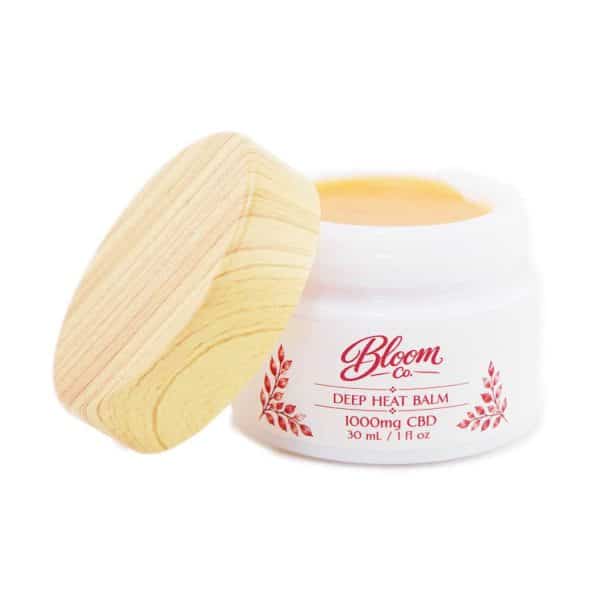
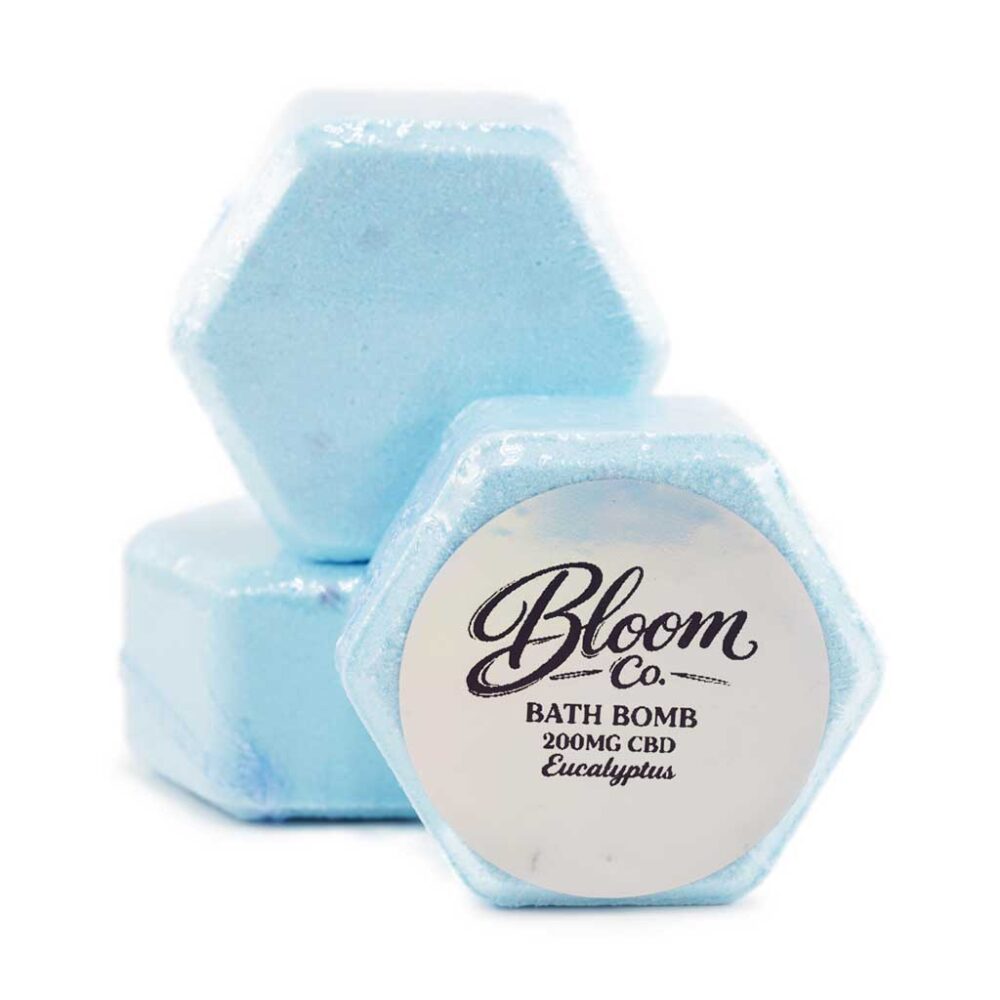
Topicals are a different story. A CBD balm rubbed on the temples or the back of the neck can provide local relief for muscle tension that often accompanies a migraine. But the absorption through skin is limited, so it works best as a complement to oral or inhaled CBD, not as a standalone. I have also seen people use CBD bath bombs as part of a wind-down routine. The hot water relaxes muscles, and the CBD absorbs through the skin and through inhalation of steam. It is not a targeted treatment, but for sleep quality and stress reduction, it can help break the cycle that leads to migraines.
The Problem with Dosing and Quality
Here is where things get tricky. Dosing for CBD is not one-size-fits-all. With migraines, the effective dose can vary widely depending on your body weight, metabolism, and the severity of your condition. Most products on the market suggest starting with a low dose, around 10 to 20 milligrams, and slowly working up. But the real challenge is knowing what is actually in the bottle. The CBD industry is still loosely regulated, and many products contain far less CBD than their labels claim, or contain contaminants.
That is why Third-party lab testing is non-negotiable. Reputable brands like Charlotte's Web and Lazarus Naturals publish certificates of analysis for every batch. They test for potency, pesticides, heavy metals, and residual solvents. If a brand does not make those reports easy to find, you should assume the product is unreliable. Willow Dispensaries, which operates several physical locations, also carries only lab-tested products and will often share the results in store. Kush Station, the online shop that carries a wide range of CBD goods, follows a similar standard by curating brands that provide full transparency.
Full-Spectrum vs. Isolate
Another important distinction is between full-spectrum CBD and CBD isolate. Full-spectrum products contain the whole range of cannabinoids, terpenes, and flavonoids found in the hemp plant. The idea is that these compounds work together synergistically, something called the entourage effect. For migraine relief, that synergy may matter. Terpenes like beta-caryophyllene and myrcene have their own anti-inflammatory and pain-modulating properties that can amplify the effects of CBD.
Isolate products, on the other hand, contain only pure CBD. They are easier to dose precisely and have no THC at all, which is important if you are subject to drug testing. But some people find that isolates are less effective for complex conditions like migraines. If you are just starting out, a full-spectrum oil or tincture gives you the best chance of noticing a difference. You can always switch to an isolate later if you want to fine-tune your dose.
Realistic Expectations and Side Effects
I want to be clear: cbd for migraines is not a cure. It does not work for everyone, and when it does work, it usually reduces frequency and severity rather than eliminating attacks entirely. Some people report that it only helps if they take it consistently for weeks, while others feel a difference on the first day. The variability is frustrating, but it is also normal for any compound that works through the endocannabinoid system.
Side effects are generally mild. The most common is drowsiness, especially at higher doses. That can actually be a benefit if you are using it to improve sleep quality, but it is a problem if you need to drive or work. Dry mouth and slight digestive upset are also reported. Because CBD can interact with liver enzymes that metabolize other drugs, it is worth talking to a doctor if you are on prescription migraine medications like triptans or anticonvulsants.
Putting It All Together
If you decide to try CBD for your migraines, start with a clear plan. Pick a single product from a trusted brand, keep a log of your dose and your symptoms, and give it at least two weeks before judging the results. Pair it with good sleep hygiene and stress management, because CBD works best when the rest of your body is not fighting against it. And if you are curious about different formats, Kush Station and Willow Dispensaries both carry a variety of options, from vape pens to bath bombs, so you can experiment without committing to a large bottle of something that might not suit you.
Migraine headaches rob people of so much time and energy. I have seen how desperate the search for relief can become. CBD is not a miracle, but for many, it is a tool that finally makes a dent. That alone is worth paying attention to.